The Japanese Katana: The Soul of the Samurai
The katana is far more than a sword; it is a profound cultural icon, a masterpiece of craftsmanship, and the very embodiment of the Japanese samurai spirit. Revered for its lethal sharpness, elegant curvature, and deep spiritual symbolism, its story is woven into the fabric of Japan's history, philosophy, and art.
Origins and Evolution
The katana's lineage traces back to the straight-bladed chokutōof ancient Japan. Its defining feature—the graceful curve—emerged during the late Heian period (794-1185 AD), as mounted warfare became dominant. A curved blade is superior for slashing from horseback, allowing for a more effective cutting draw.
Its form was perfected in the feudal era, most notably during the Kamakura (1185–1333 AD) and Muromachi (1336–1573 AD) periods, times of near-constant warfare. The classic configuration—a long, single-edged blade worn edge-up through the obi(sash)—allowed the samurai to draw and strike in a single, fluid motion (iai-jutsu).
A Masterwork of Metallurgy and Spirit
The creation of a true katana is a sacred art, a ritualized process blending extraordinary skill with spiritual discipline. The master swordsmith, or tosho, is considered both an artisan and a priest.
The magic lies in the unique differential hardening process. The blade is coated with a special clay mixture—thicker on the spine and thinner on the edge. When quenched in water, the thinly-coated edge cools rapidly, forming an extremely hard, crystalline structure called martensite, capable of holding a razor-sharp edge. The spine and core cool more slowly, remaining a softer, more flexible steel. This creates the katana's defining characteristics:
Unrivaled Sharpness: The hardened steel (ha) takes a legendary edge.
Resilient Flexibility: The softer core (shingane) and spine prevent the blade from breaking.
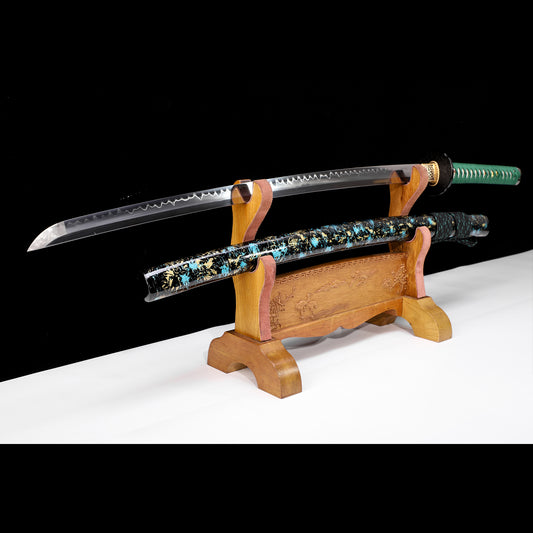
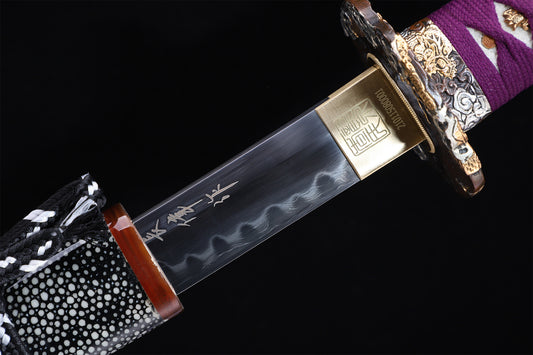
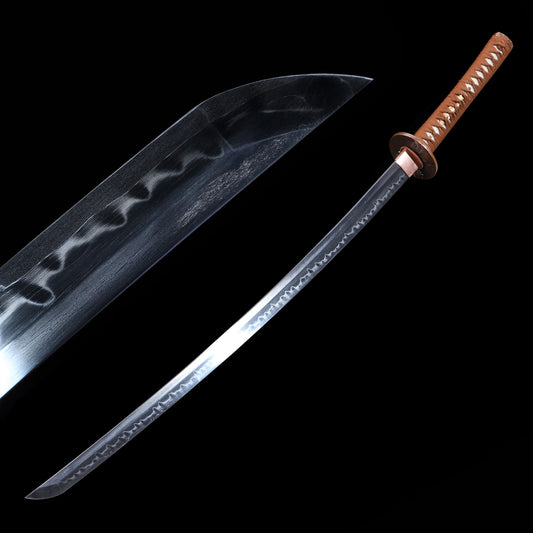
The Aesthetic Signature: The boundary between these zones is revealed as the beautiful, misty hamon (temper line), unique to every blade.
This marriage of a hard edge and a flexible body gives the katana its paradoxical nature: peerless cutting ability combined with remarkable resilience.
Components and Mountings
A katana is divided into two main parts:
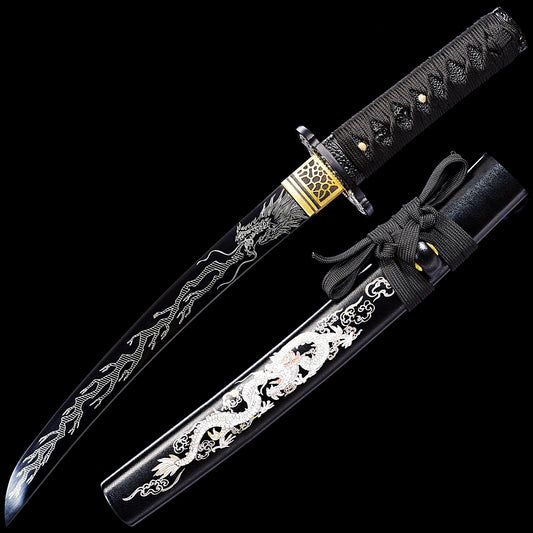
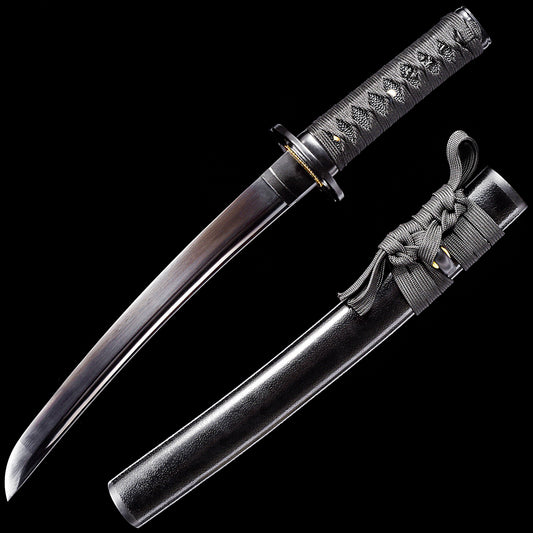
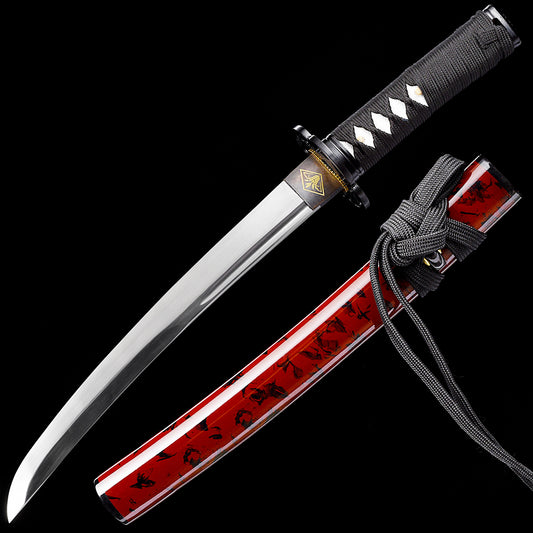
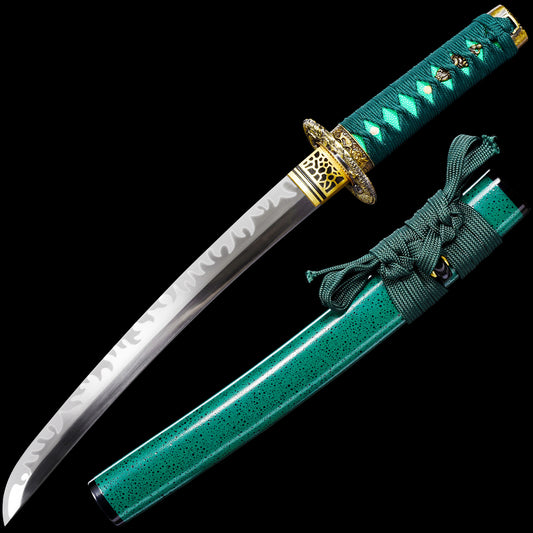
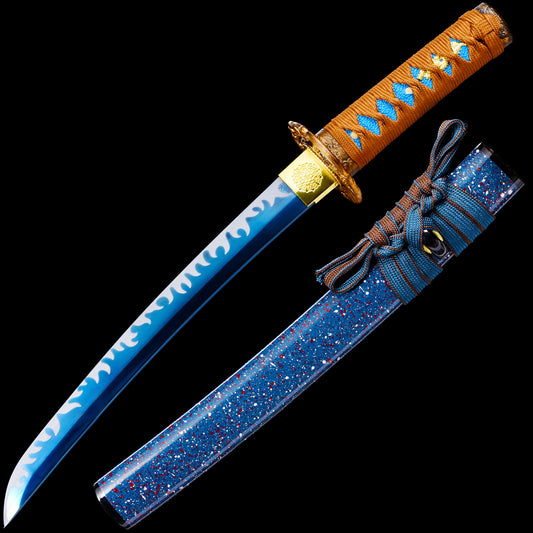
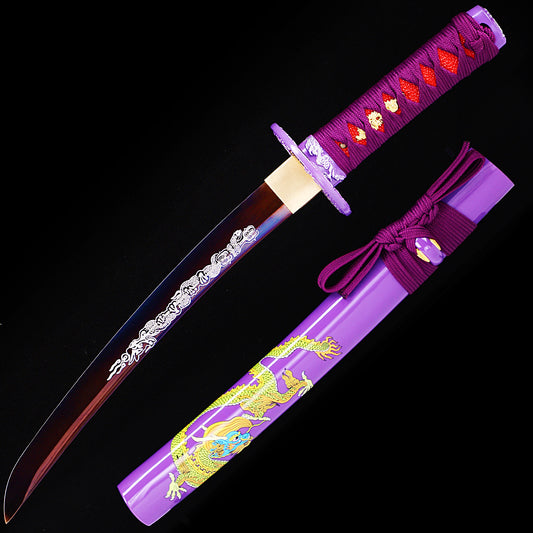
The Blade (Katana): The soul of the weapon. Its artistry lies in the hada (grain pattern from folding), the hamon, and the elegant bōshi (temper line on the point).
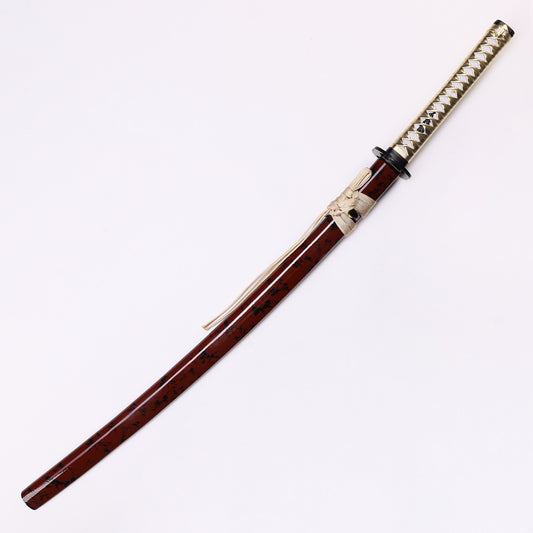
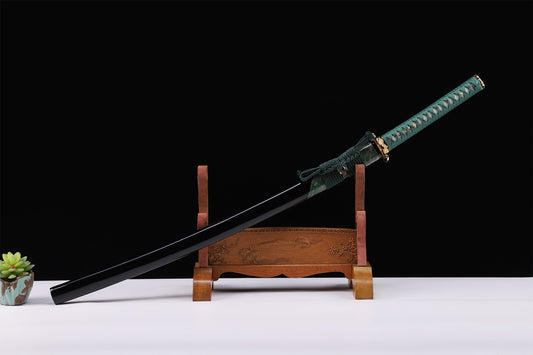
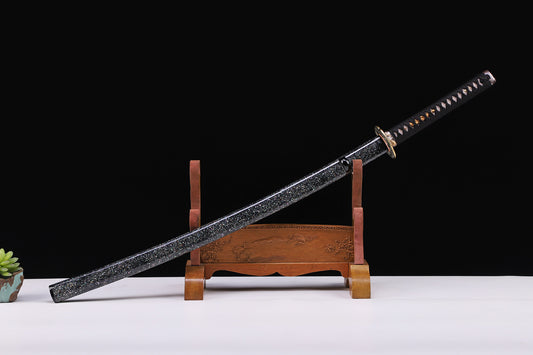
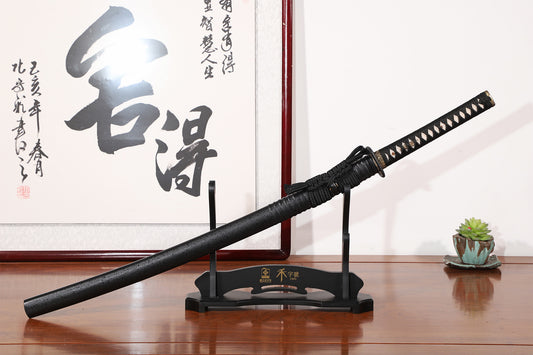
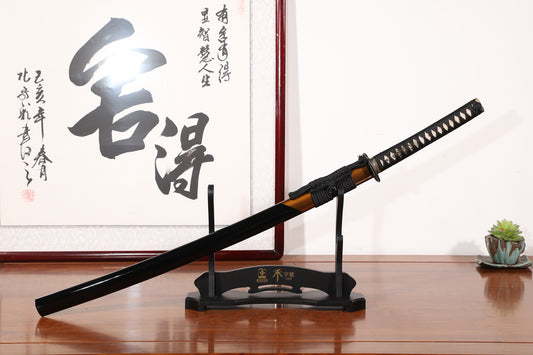
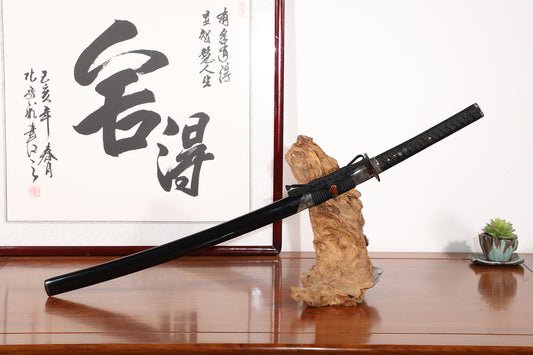
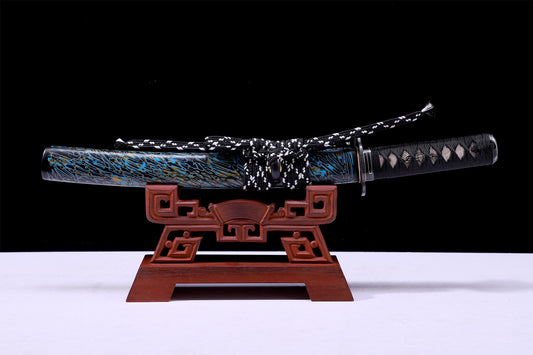
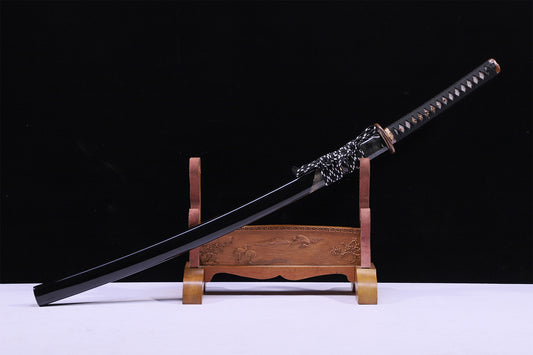
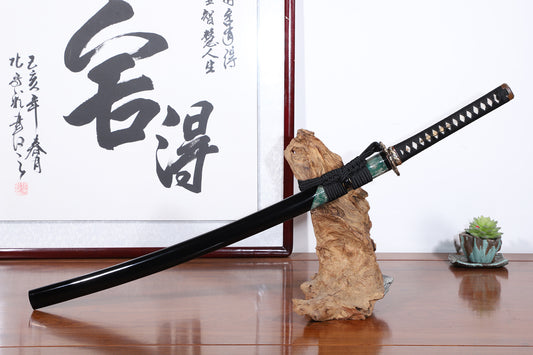
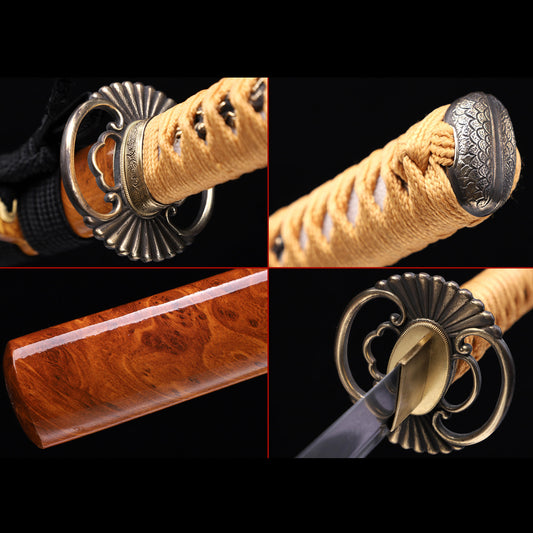
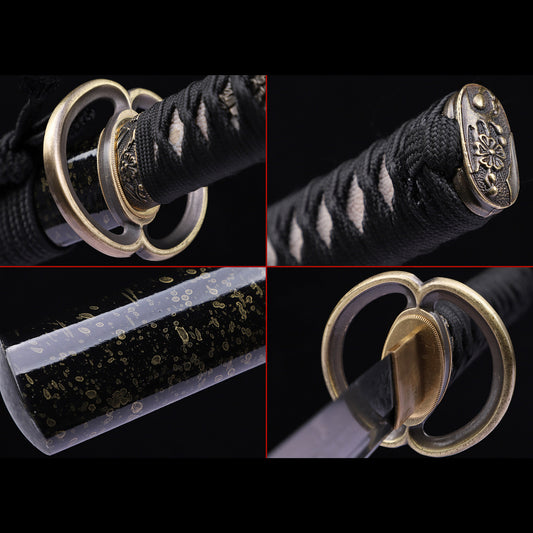
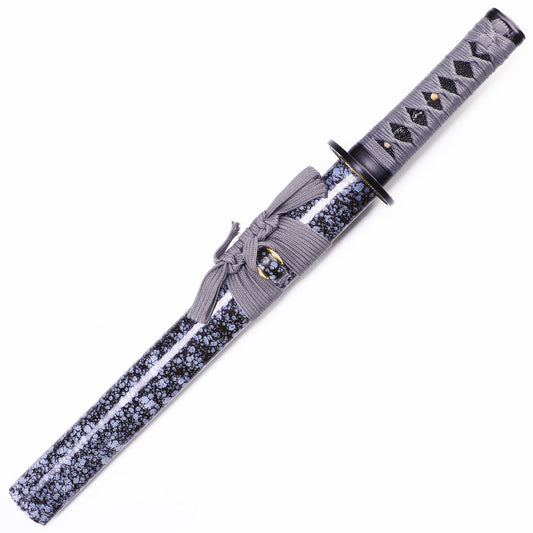
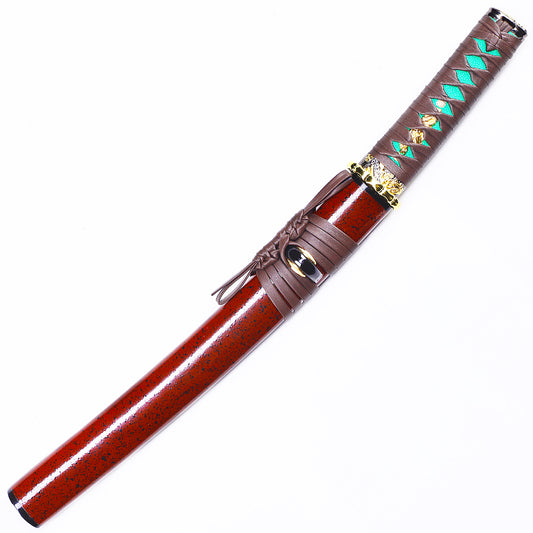
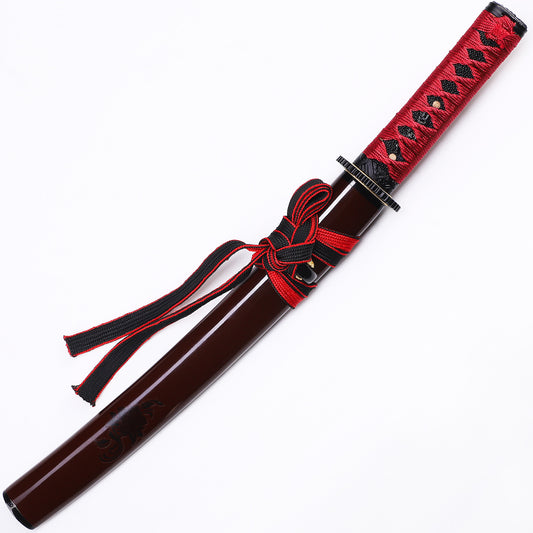
The Mountings (Koshirae): The functional and artistic housing. This includes the tsuka (hilt), wrapped in samegawa (ray skin) and tsuka-ito (braid); the tsuba (handguard), often an intricately decorated work of art; the saya (scabbard); and various other fittings(fuchi/kashira, menuki).
For storage and appreciation, the blade would be placed in a plain shirasaya (white scabbard), highlighting it purely as an object of art and heritage.
The Soul of the Samurai
For the bushi (samurai), the katana was his soul. The paired set of daishō—the long katana and the shorter wakizashi—were the exclusive symbols of his status and honor. More than a tool for war, it was an instrument of bushidō, the "Way of the Warrior." It represented the samurai's virtues: loyalty, courage, self-discipline, and moral rectitude.
The philosophy of its use in kenjutsu (swordsmanship) extended beyond combat to a path of spiritual and mental refinement (michior dō), as seen in the modern art of kendō.
The Modern Legacy
With the abolition of the samurai class in 1876 (HaitōreiEdict), the katana's practical era ended. Yet, its legacy transitioned from the battlefield to the realms of living art, spiritual symbol, and national treasure.
Today, a few dedicated mukansa (top-tier) swordsmiths, using traditional methods, preserve this intangible cultural heritage. Authentic Nihontō (Japanese swords) are cherished as objects of breathtaking beauty, historical significance, and cultural identity, displayed in museums and private collections worldwide.
Conclusion
The Japanese katana stands alone in the world of blades. It is the culmination of a thousand years of technical innovation, raised to the level of high art through spiritual belief and philosophical depth. It is not merely a weapon that was wielded by a samurai—it was, and remains, the physical manifestation of his soul. In its curve, its hamon, and its peerless edge, one finds the enduring spirit of Japan itself.